
MAKING OF A PRODUCT
02 Case Study
From Foundations to Fully On-demand
Challenge
The pandemic significantly disrupted daily life and forced a widespread shift to remote work and learning. Many businesses struggled to adapt quickly, and those unable to pivot were forced to shut down. While the disruption created challenges, it also opened the door to new opportunities for those ready to embrace change.
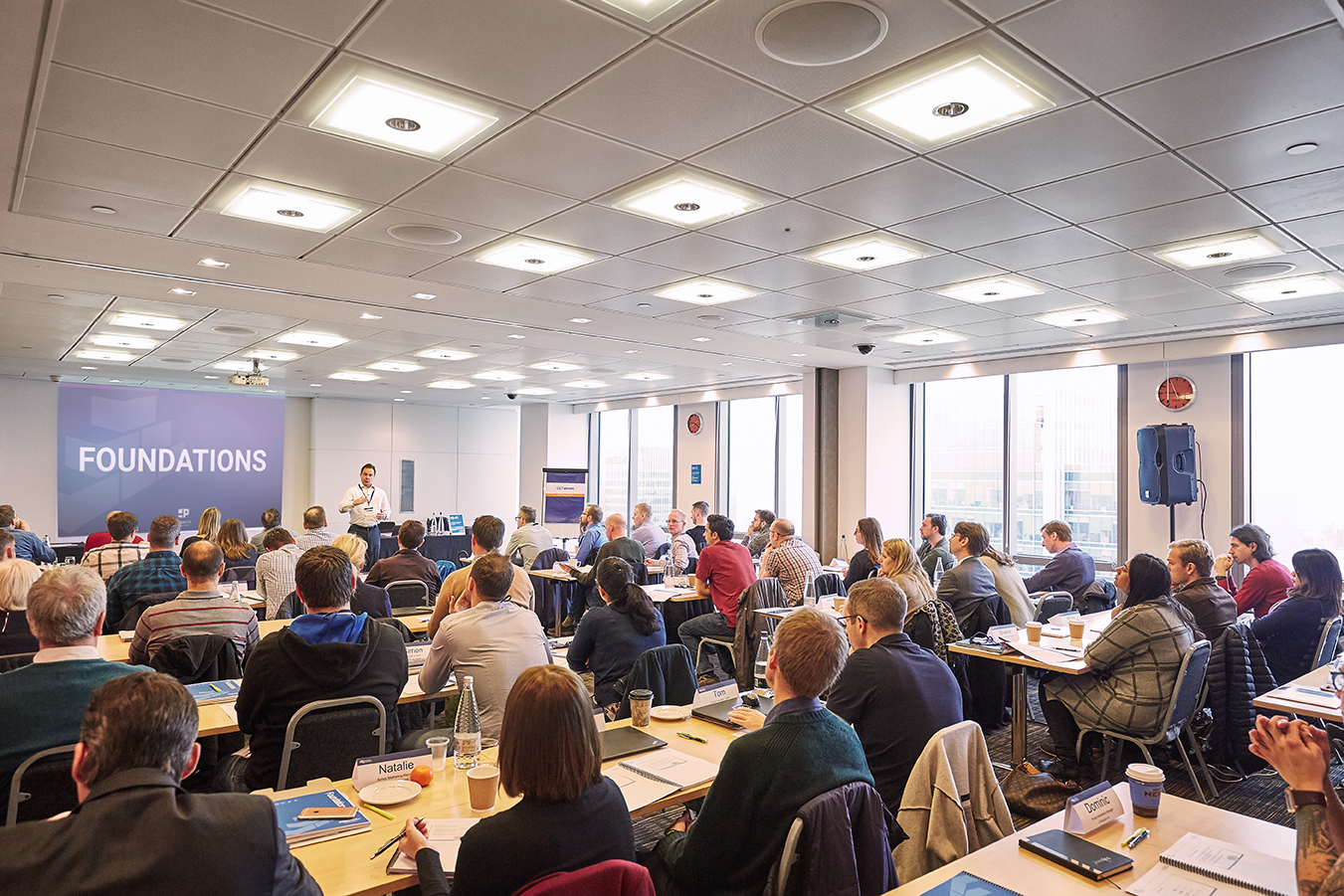
Pragmatic Institute had built a strong reputation for delivering high-impact, in-person training. But with the rise of online, self-paced learning accelerated by the pandemic, the organization saw an opportunity to expand its reach and meet learners where they were. The challenge: develop an on-demand course that delivered the same level of quality, engagement, and impact as the in-person experience.
01 Case Study
MAKING OF A BRAND >
From Assumption to Evidence
Foundations, the flagship product course for which Pragmatic Institute has long been renowned, had already demonstrated years of success in a live, in-person format. But was there truly a need for the same course in a self-paced version? To answer that question, we did our homework with a little help from a trusted partner in the eLearning space.
-
“If you build it, they will come.” In a newly remote world, where the stay-at-home education market was rapidly growing, it might have been tempting to rely on that assumption and jump straight into development. But the Pragmatic approach requires validating market need before investing resources to ensure real product adoption and long-term success.
With that discipline in mind, we partnered with Edtura to assess the true demand for self-paced learning within the product management space.
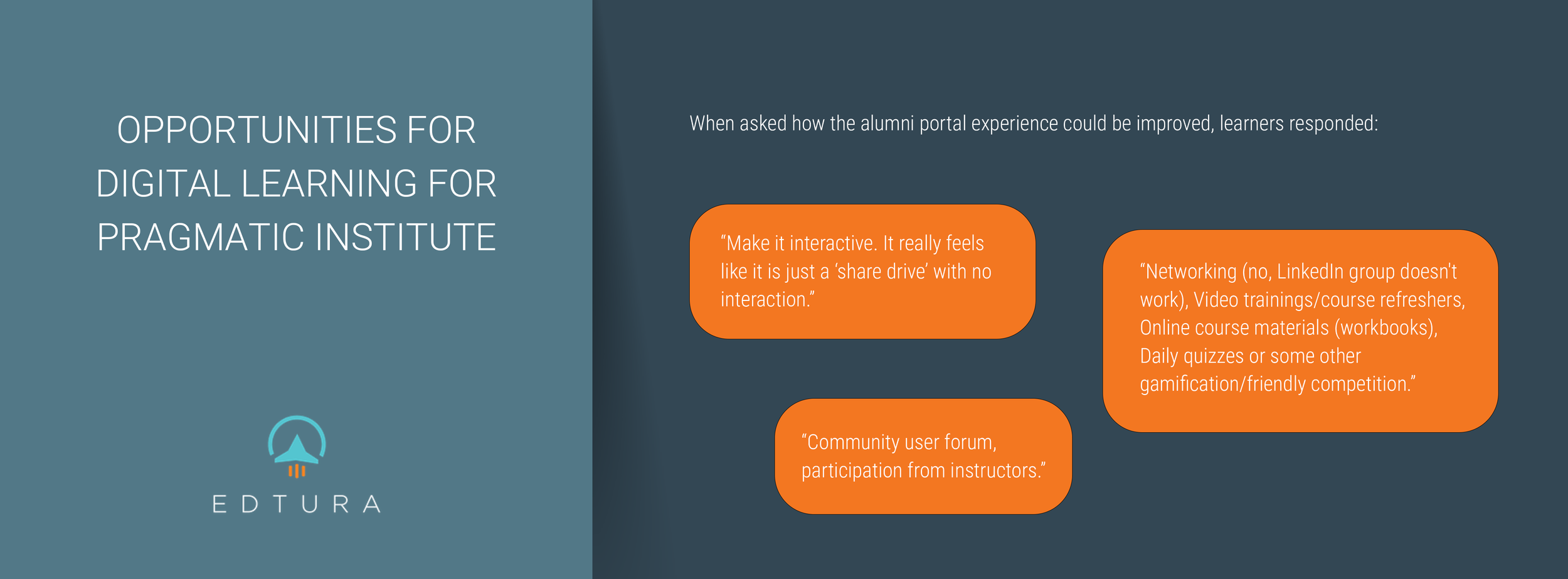
A survey of the entire Pragmatic Alumni Community, more than 30,000 members, confirmed a strong appetite for a self-service learning format enriched with interactive features.
-
Phil Alexander
Rebecca Kalogeris
Georgina Donahue
Edtura
Sean Hobson
The Journey
Stepping into a new medium brought its own set of challenges, but also revealed new possibilities. And this first step marked the beginning of how Pragmatic would continue evolving the way it delivers education.
-
Once we validated strong market need for an on-demand version of Foundations, the team began sizing what it would take to build the course. Because we had never produced a program in this format before, the early stages focused on unpacking a range of technical, instructional, and operational unknowns, each of which would shape the project’s direction.
As discovery progressed, several foundational questions quickly surfaced among the core stakeholders.
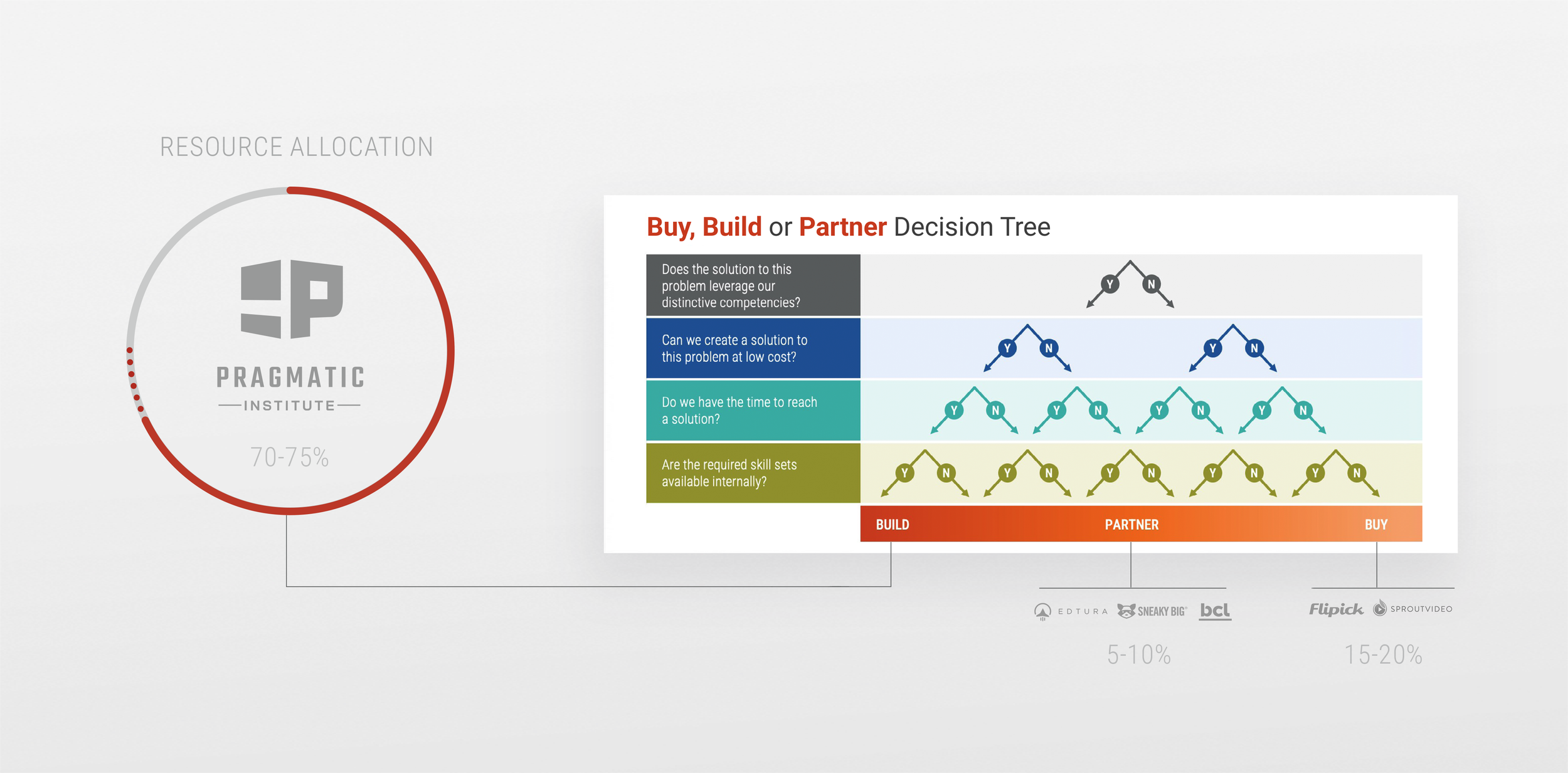
Do we have the capabilities to build this in-house?
This opened a deeper evaluation of internal bandwidth and expertise. We examined whether our teams could realistically manage a full production cycle—from instructional design and content development to video production, platform configuration, and launch operations.What kind of tech stack would we need?
The conversation expanded into LMS requirements, authoring tools, video hosting, e-commerce integration, and the implications of each choice for scalability, support, and long-term maintenance.What’s the scope, and what does that mean for the timeline?
To answer this, the team held a series of working sessions to determine content depth, outline the production workflow, clarify roles and responsibilities, and map out achievable milestones. It became clear that scope decisions would directly influence resource allocation and overall feasibility.Together, these questions grounded the team’s initial exploration and established a framework for deciding whether an internal build was realistic or if alternative approaches should be explored. Ultimately, the assessment proved valuable: a dedicated cross-functional team completed roughly 70–75% of the work in-house, demonstrating both capability and alignment across the organization.
-
Phil Alexander
Rebecca Kalogeris
Muhammad Zahid
April Garcia
The Process
Building Pragmatic Institute’s first on-demand course required translating a trusted, instructor-led experience into a dynamic, self-paced format. We reimagined content, restructured delivery, and leveraged digital interactivity to preserve the depth of our training while making it more flexible, accessible, and scalable for learners everywhere.
-
Deconstructing Foundations
Branding for On-demand
Lesson Formats
Plugging Into the Platform
Ensuring Excellence
Outcomes
-
Rebecca Kalogeris
Muhammad Zahid
Paul Young
Amy Graham
Eddie Gordon
Kelli LaPointe
Andrea Ozias
Morgan Sides
Steve Johnson
Anita Lauper
Flipick
Sneaky Big Studio
Bull City Learning
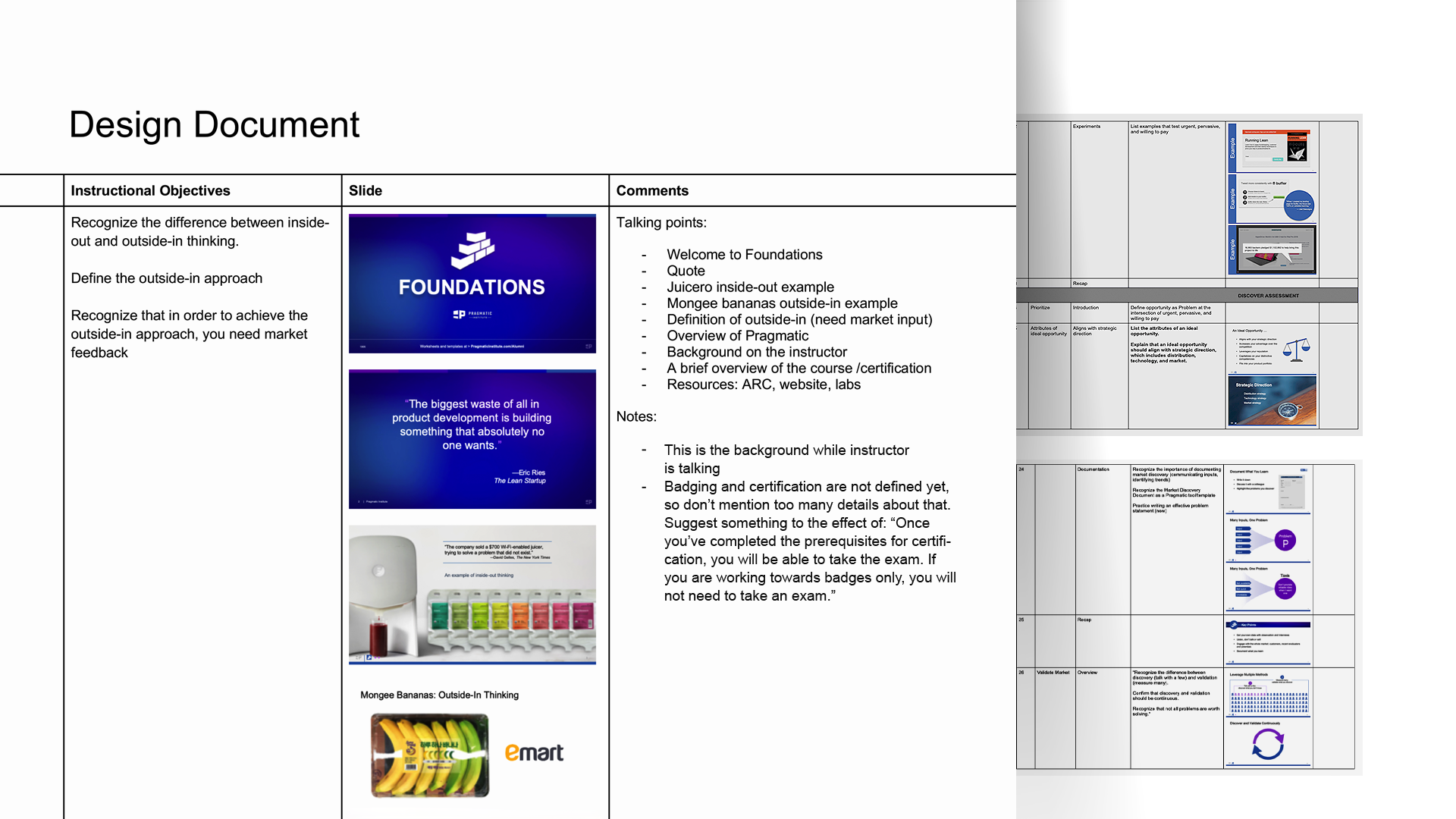
DECONSTRUCTIONG FOUNDATIONSTransforming a live, in-person course into a self-paced online experience required breaking the learning journey into clear, digestible components. We examined every slide individually, evaluating its purpose, determining whether it belonged in the new format, and exploring how it might be improved. Working closely with our internal subject-matter experts, we meticulously deconstructed the original course and reimagined it through the lens of an interactive digital environment.
The outcome was a comprehensive Design Document that mapped each lesson to its supporting slides, topics, learning objectives, and ideal lesson format, providing a precise blueprint for the on-demand course build.
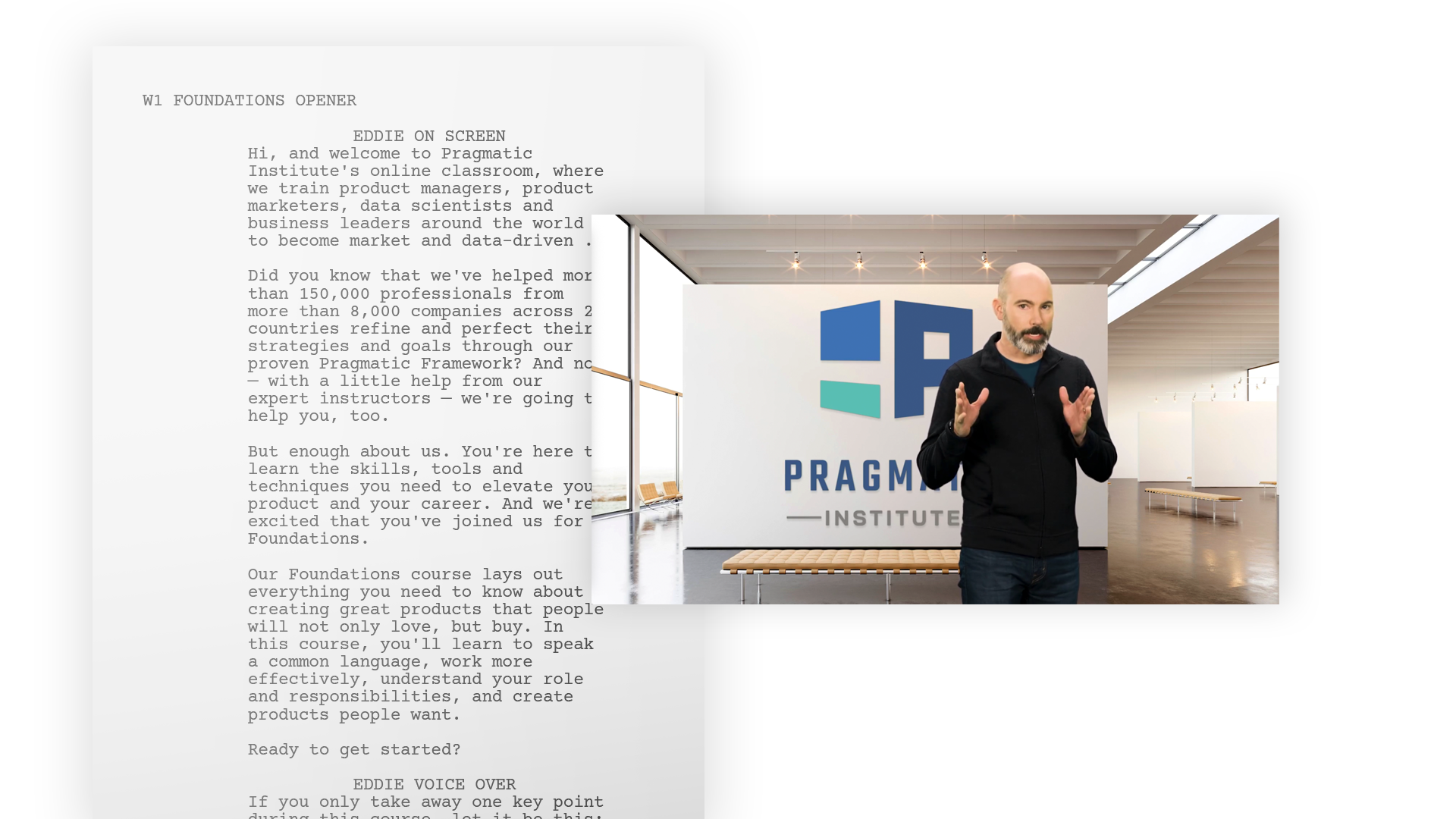
With the Design Document in hand, we entered an intense phase of script development. More than 80 script drafts were created, iterative explorations that allowed us to refine narrative flow, instructional clarity, and alignment to Pragmatic Institute’s brand tone. Through this process, those iterations ultimately converged into 18 polished scripts that best captured the intended learning experience and voice.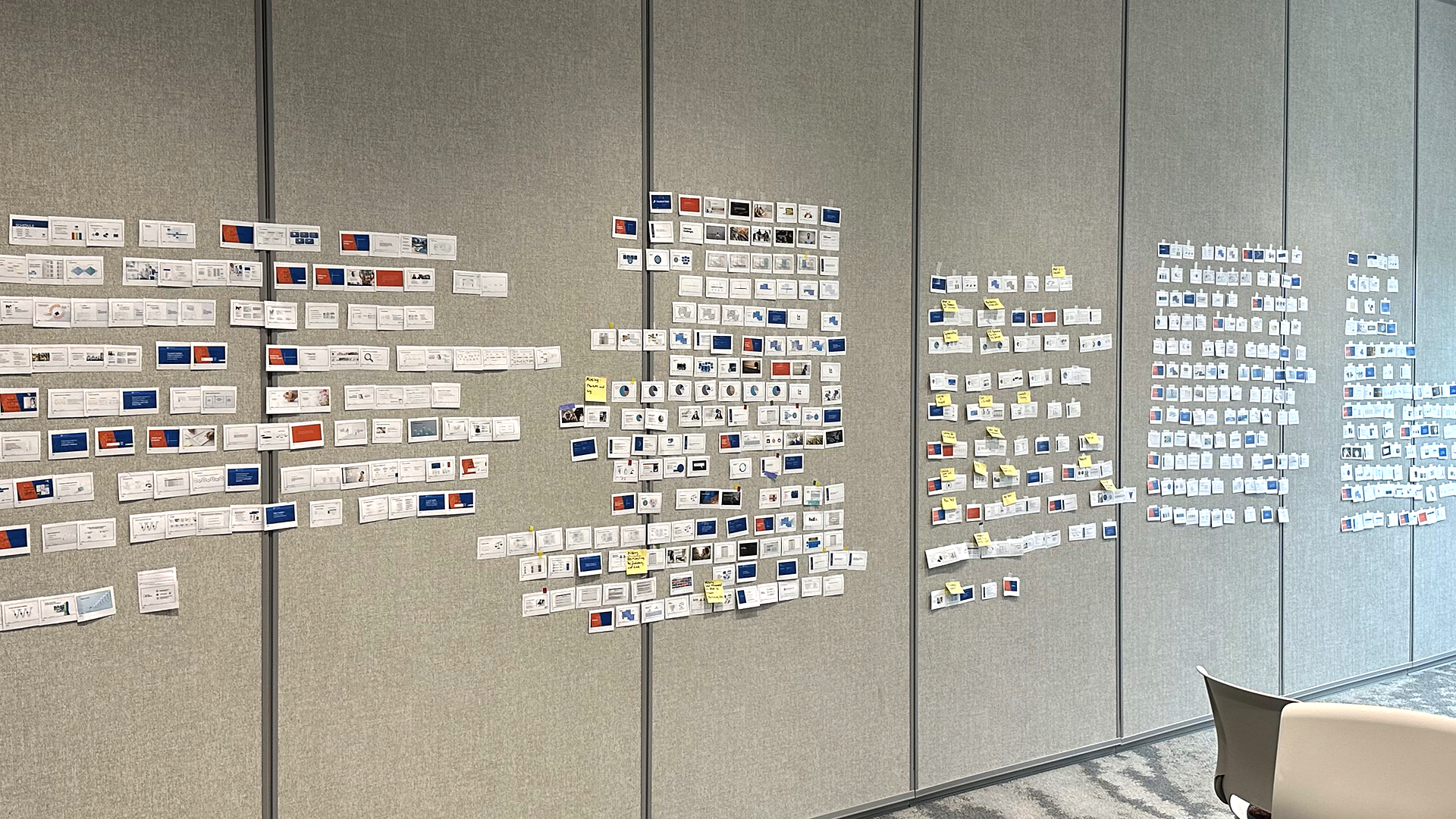
BRAND IDENTITY FOR ON-DEMAND

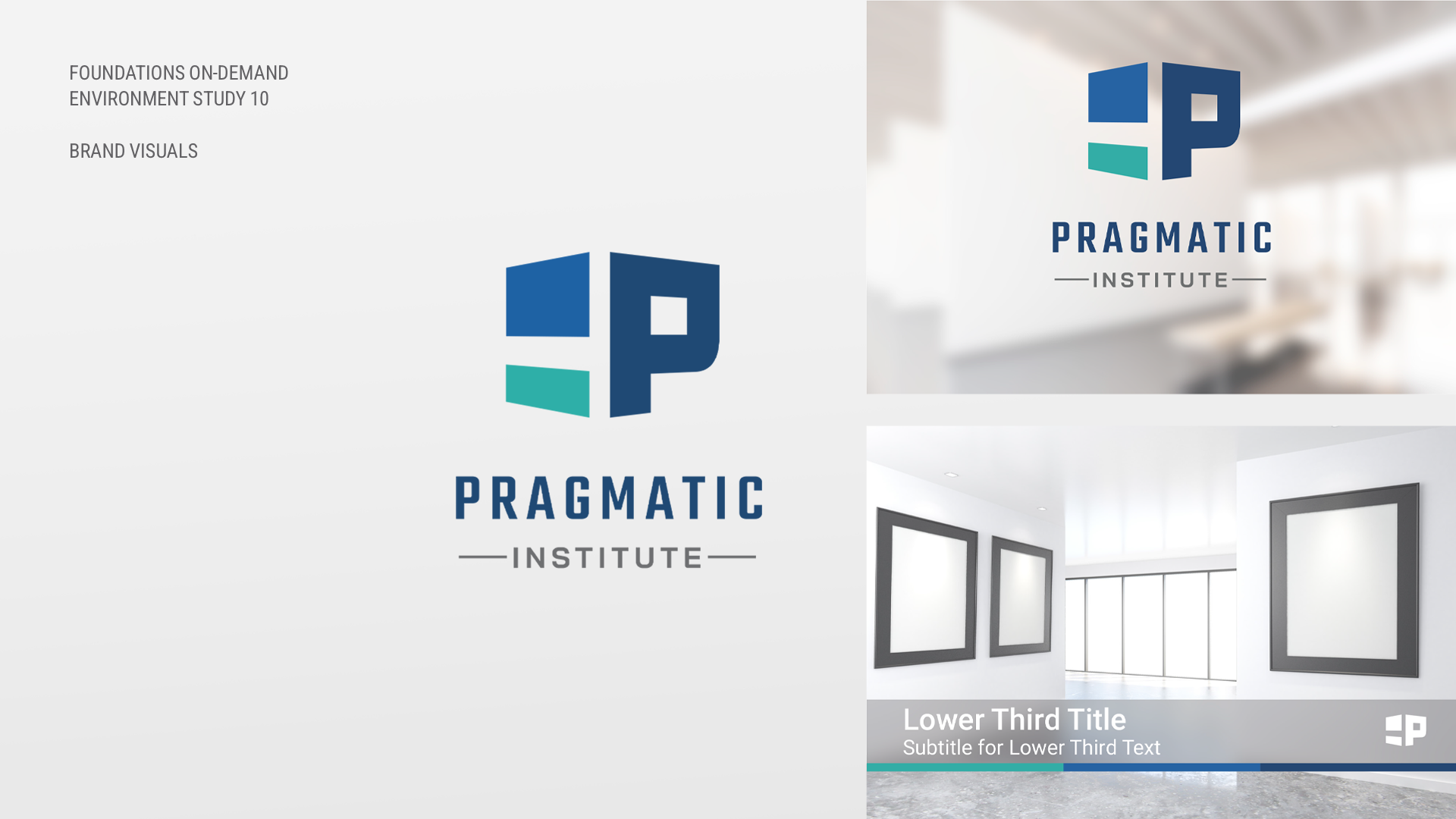
Establishing the look and feel of our first on-demand course meant crafting an environment that felt distinctly Pragmatic—modern, confident, and timeless. We began with mood boards that captured the essence of our brand, exploring textures, colors, and visual cues that could translate seamlessly into a digital learning space. From there, we refined a cohesive visual direction that balanced aesthetics with clarity, ensuring every element supported comprehension rather than distracting from it.

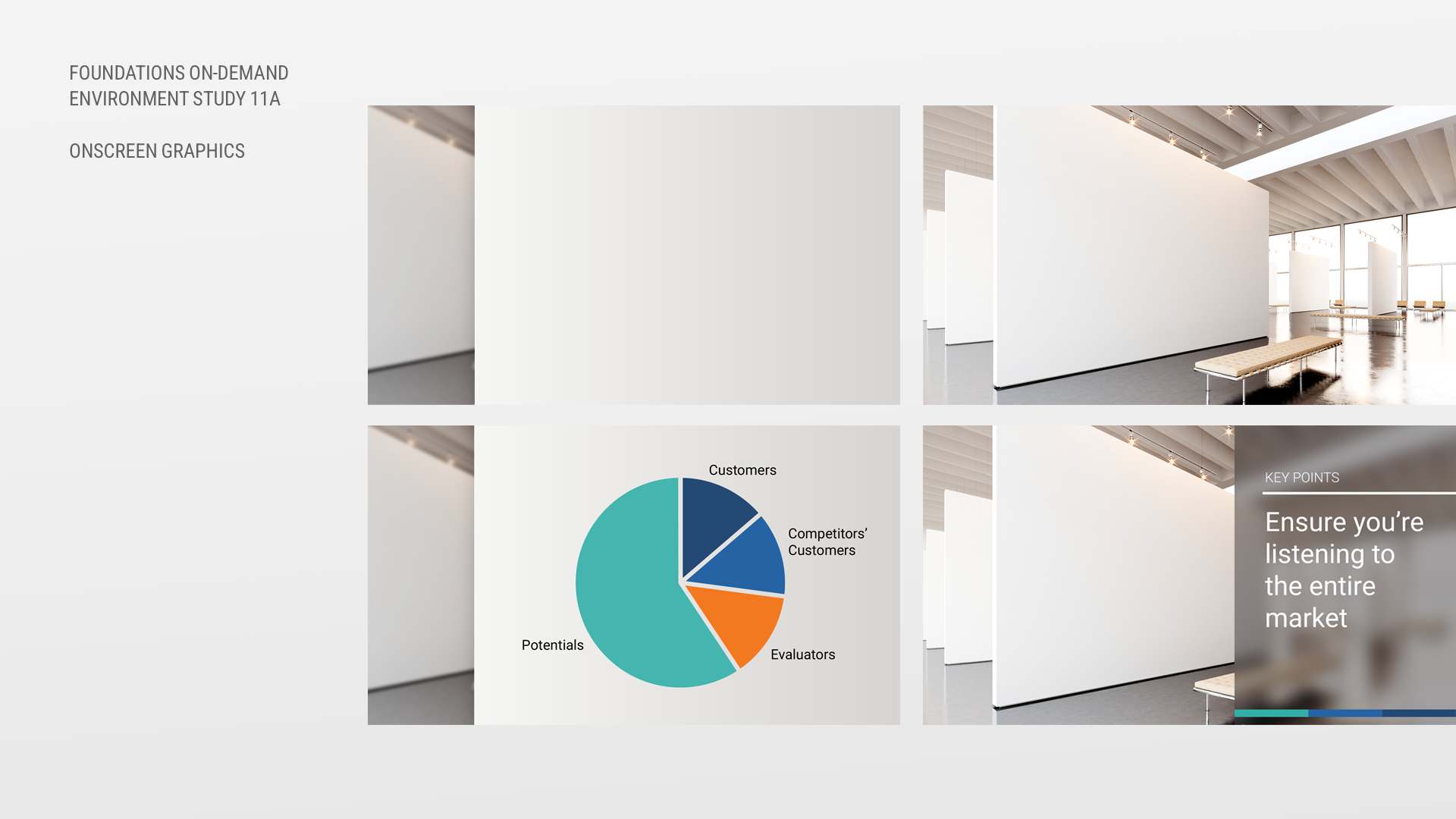
This exploration produced a unified set of visual concepts: background treatments, color palettes, on-screen graphics, and guidelines for how instructors would appear and interact within the environment. Together, these elements formed the foundation of a polished, consistent visual identity that elevates the learner experience and reinforces the strength of the Pragmatic brand.

SCALABLE LEARNING FORMATS

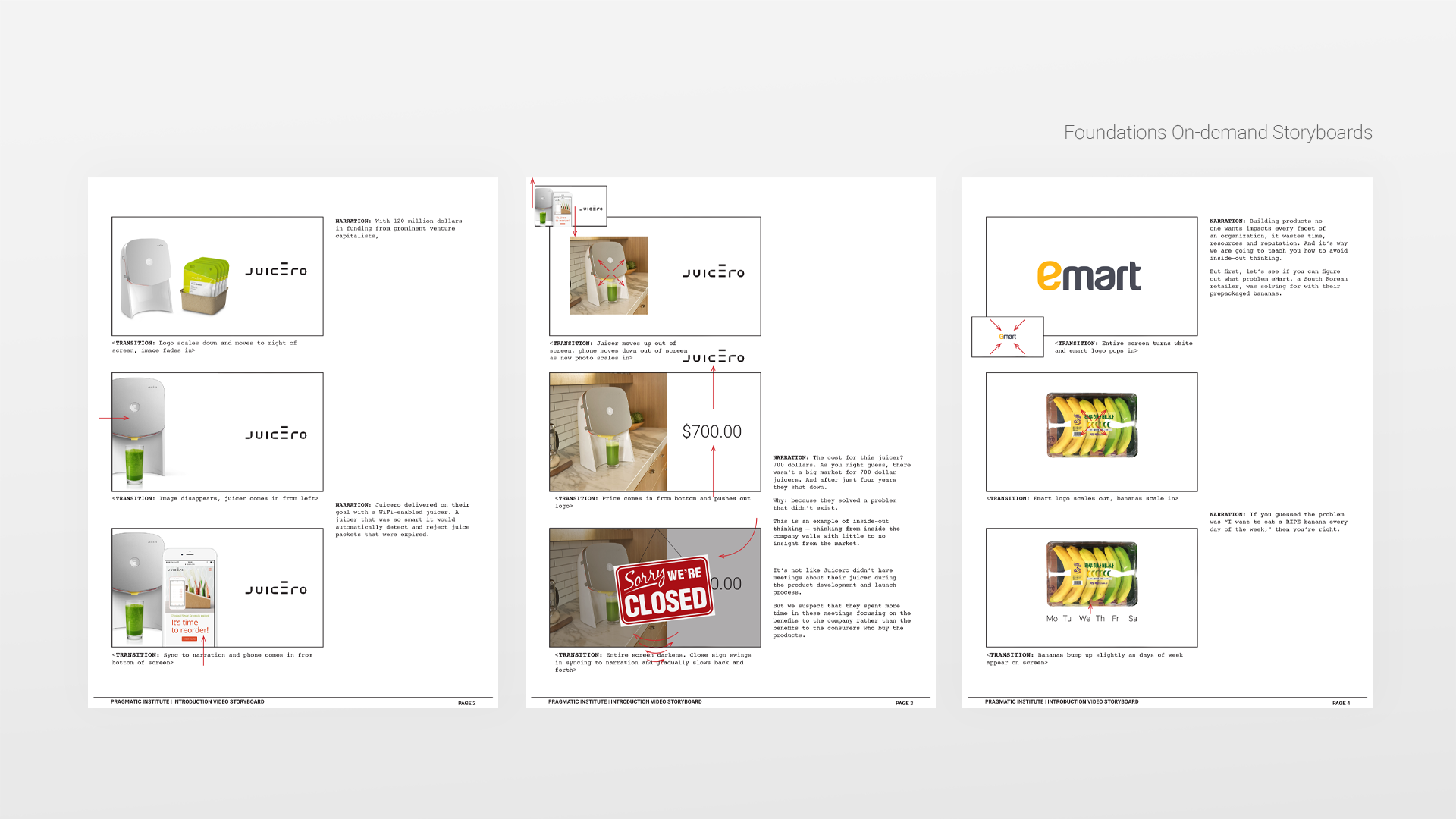
Guided by the Design Document, we established a set of lesson formats that balanced instructional effectiveness, brand continuity, and production practicality. Each format served a distinct purpose within the learner journey, creating a varied and engaging experience while preserving the integrity of the Pragmatic Institute brand.

Instructor Lessons
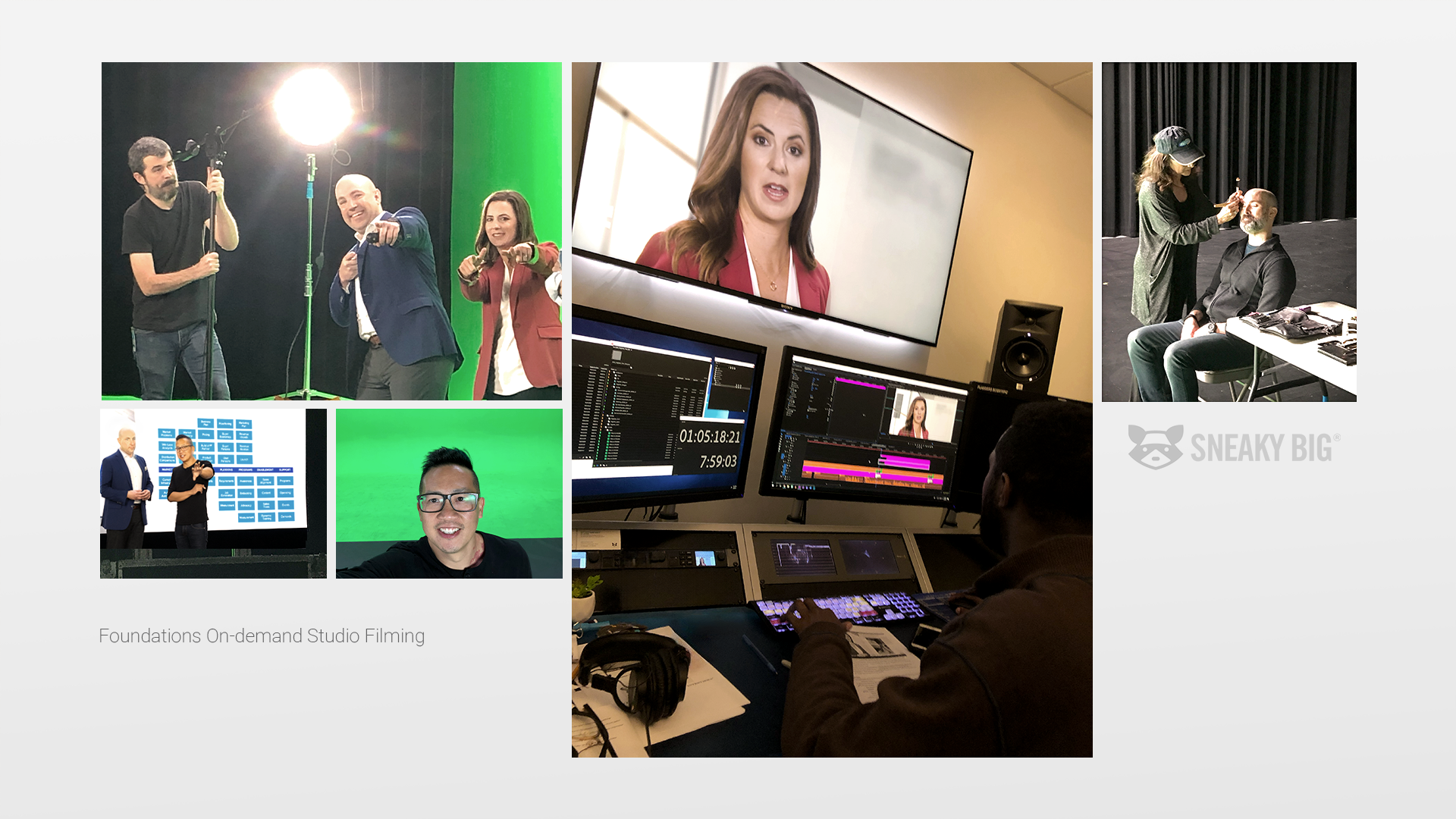
These segments feature one or more of our live-course instructors delivering content directly on screen. By using the same experts learners encounter in the classroom, we maintained a strong sense of continuity between formats—allowing on-demand learners to transition seamlessly into instructor-led sessions if they choose. The material selected for this format emphasizes lasting relevance, as high-quality studio recordings are intentionally crafted for longer shelf life.

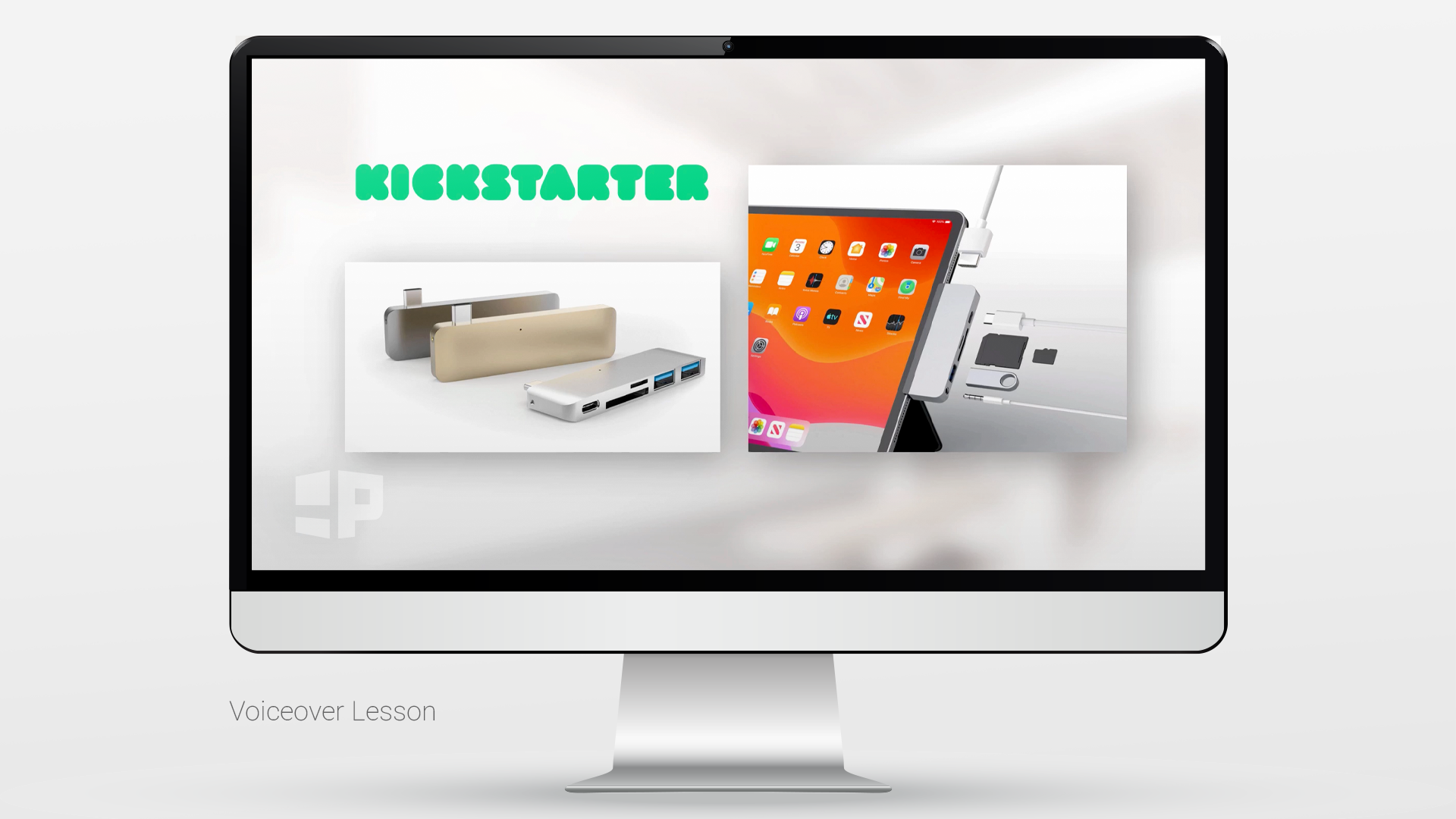
Explainer Videos
To distill key concepts with clarity and visual impact, we developed explainer videos that blend on-screen animation, graphic elements, and professional voiceover. These lessons were intentionally architected with a modular design, making it easy to update individual components as content evolves—without needing to rebuild entire videos from scratch. This approach not only ensures long-term flexibility but also strengthens the scalability and reusability of the assets across other Pragmatic initiatives.

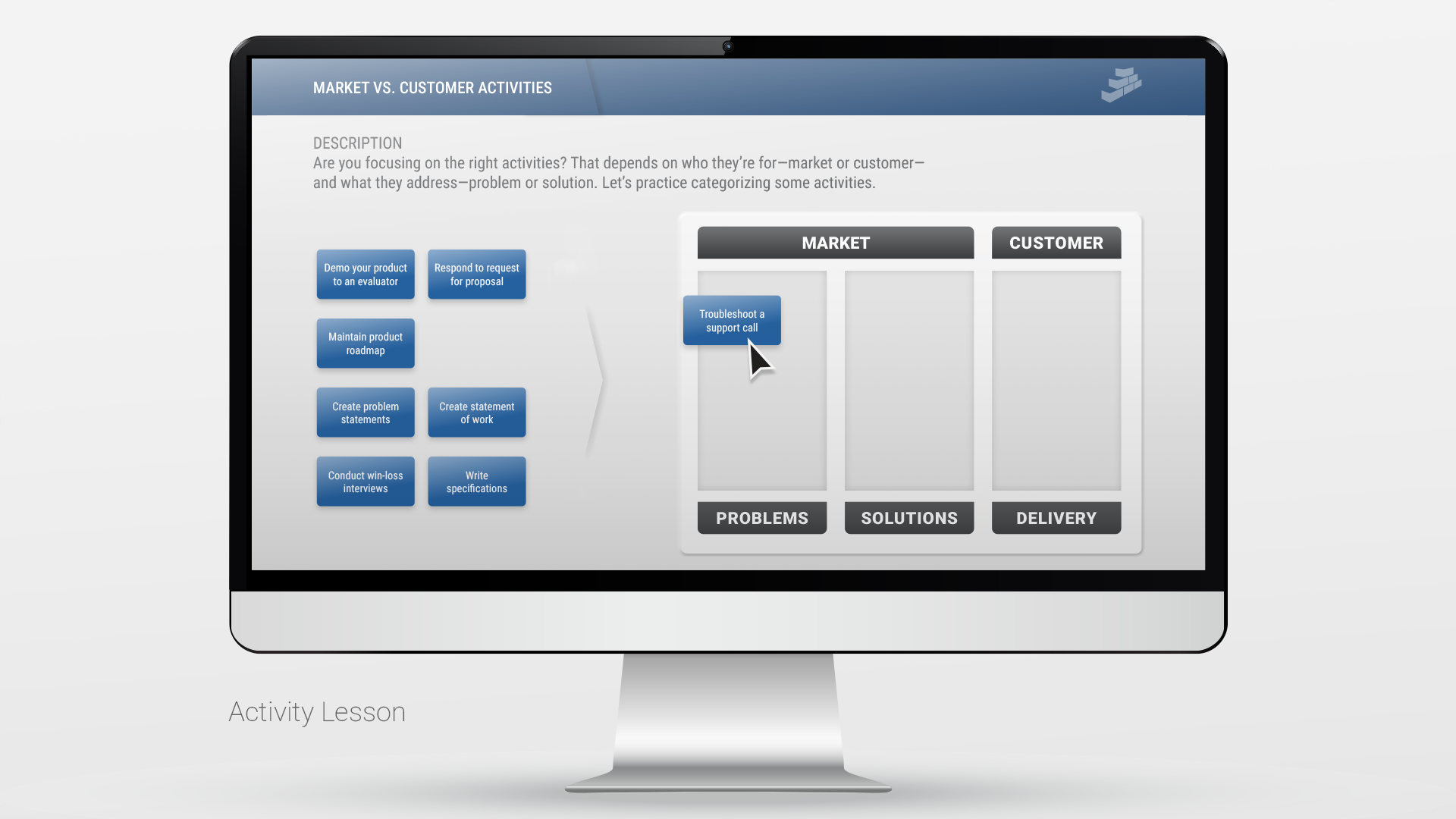
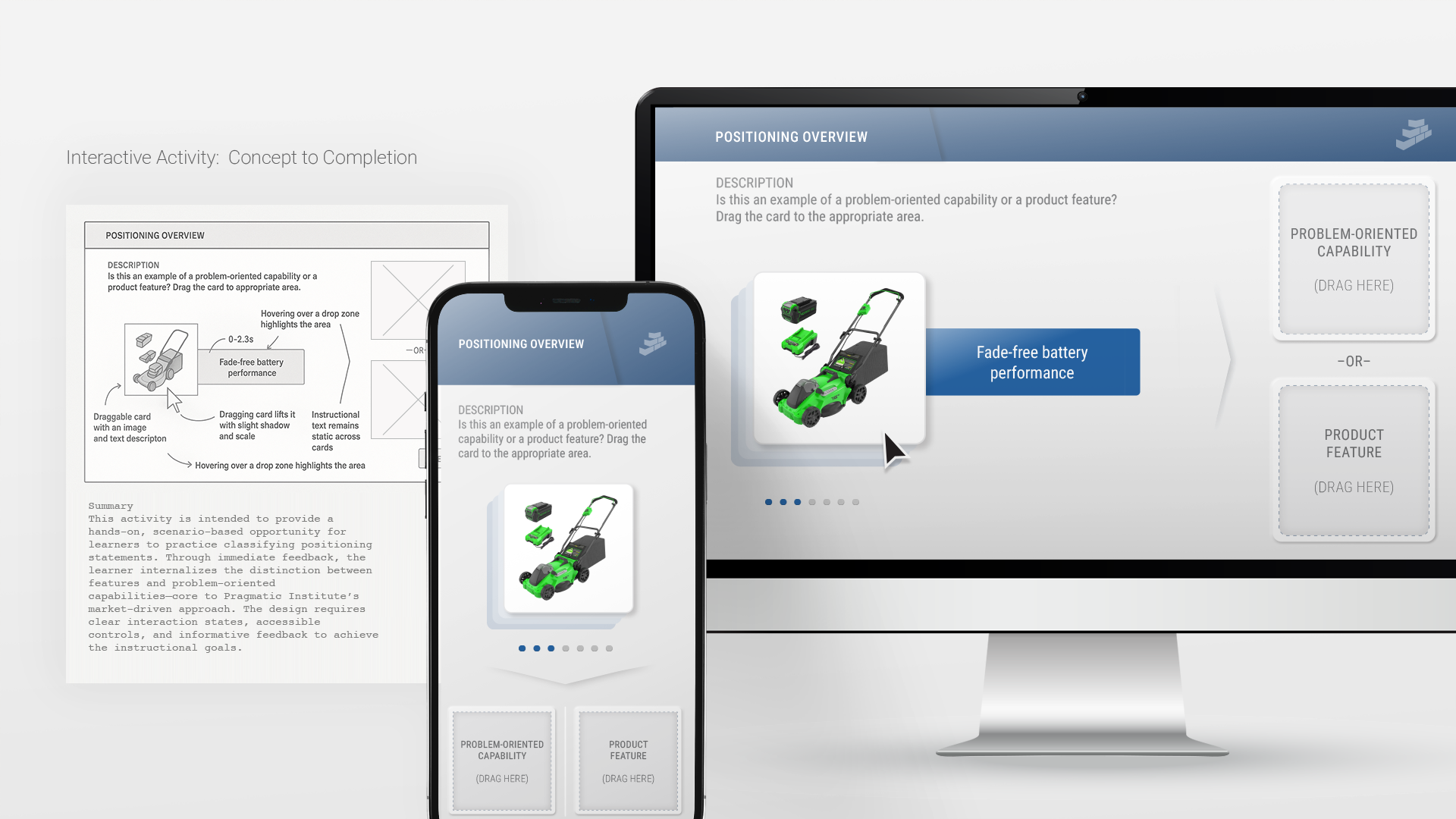
Interactive Activities
To reinforce learning and keep the experience dynamic, interactive activities were woven strategically throughout the course. These moments invite learners to apply what they’ve just learned—transforming passive content into active engagement and providing a natural rhythm that breaks up the instructional flow.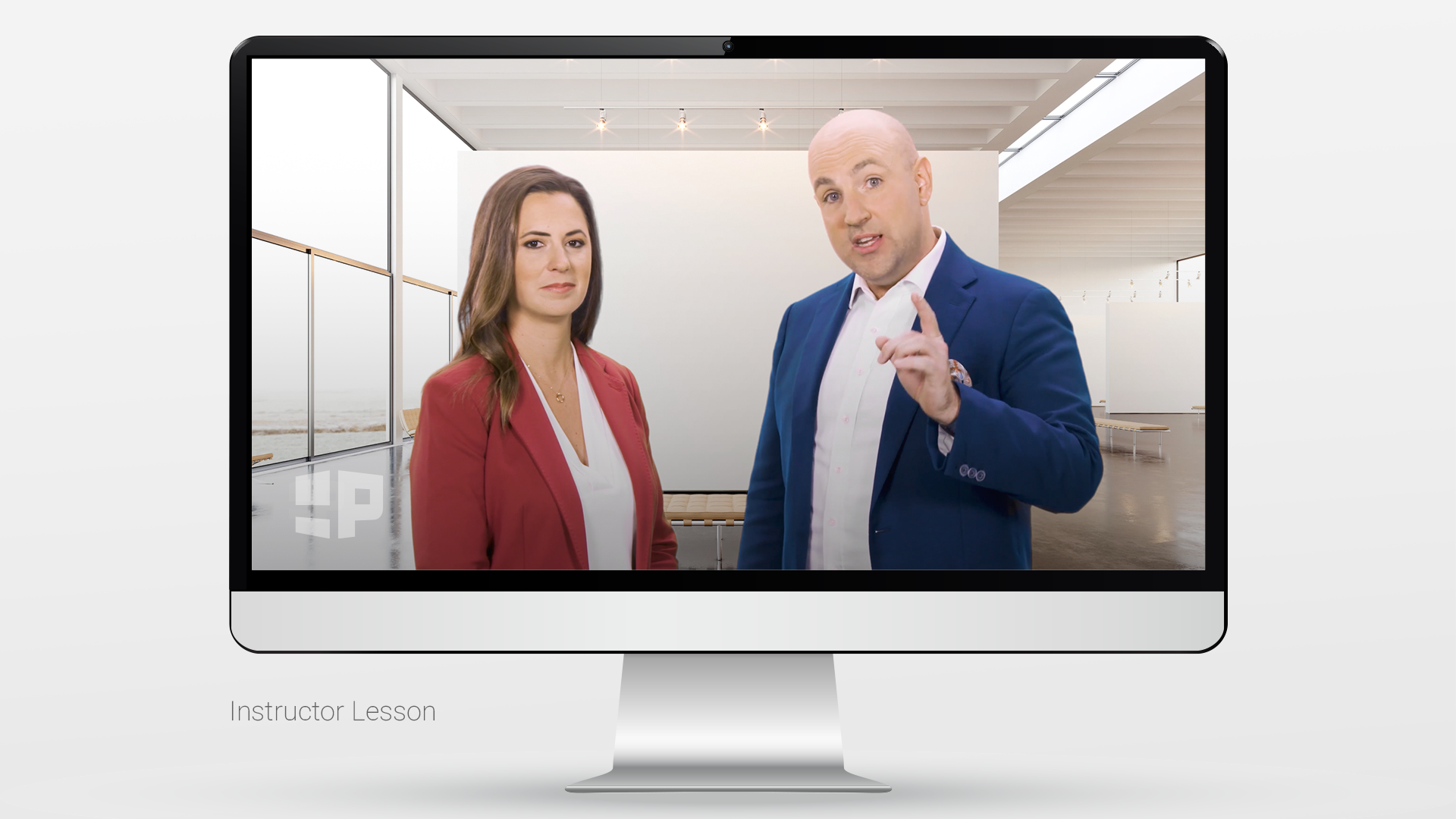
PLUGGING INTO THE PLATFORMWith most of the content in place, the next step was transforming them into a fully functional on-demand experience. After evaluating several platforms, we partnered with Flipick and adopted their LMS, a decision driven largely by their existing integrations with our shopping cart, which offered a smoother path to implementation.While Flipick provided a good foundation, the solution was far from turnkey. Together, we designed and built custom features to support the depth and interactivity of our learning experience. Inline interactive activities, note-taking tools, and built-in quizzes allowed learners to check comprehension throughout the course and review their performance at any time. These additions were crafted to align with our instructional goals and to create meaningful moments of reflection and reinforcement.We tailored the user experience to prioritize the actions students perform most frequently, resulting in a learning flow that feels intuitive and purposeful. On the UI side, the design remained deliberately clean and understated, with simple, on-brand elements chosen to minimize cognitive load and ensure learners could stay focused on the content, not the interface. This approach reinforced Pragmatic’s core values of pragmatism and purposeful design.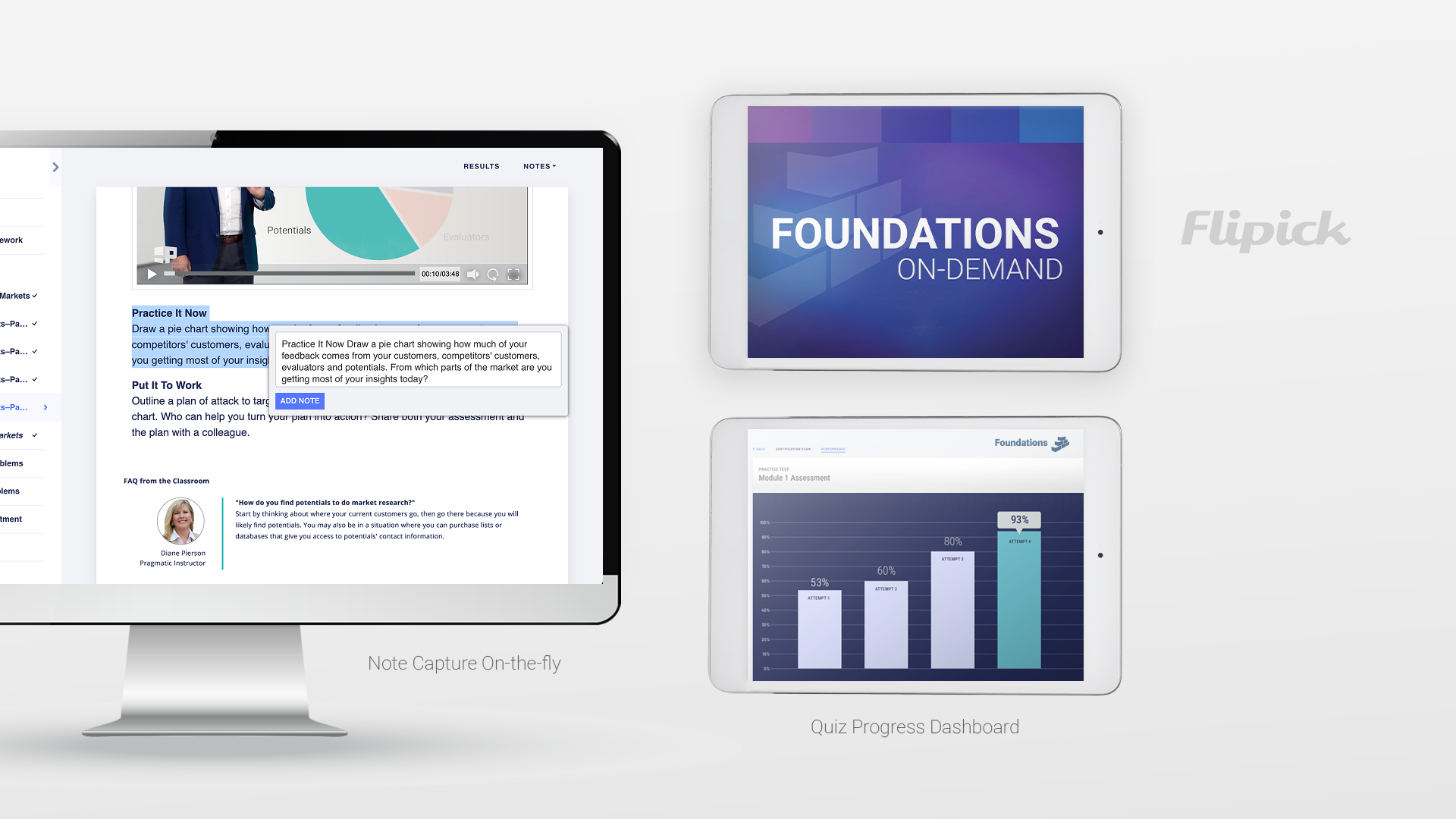
ENSURING EXCELLENCEBefore releasing our first on-demand course, we put every component through a rigorous quality assurance process to ensure it met Pragmatic Institute’s standards of clarity, usability, and instructional integrity. Beyond typical technology checks and bug fixes, we conducted rounds of soft pilot testing with potential customers to gather early feedback on the experience, pacing, and overall value. These sessions gave us invaluable insights into how real learners interpreted the material and navigated the platform.
To further validate the course, we partnered with BCL, an external learning and development firm, to conduct an independent review, an important step in ensuring that our digital experience could rival the quality and impact of our in-person, live training. Their evaluation pushed our thinking and highlighted opportunities to strengthen the learning journey even more. As a result, we introduced a finer breakdown of modules to improve navigation, added instructor notes to reinforce key teaching moments, and created reference sheets for learners who prefer quick-access summaries. We also expanded our post-course support by connecting learners to curated resource bundles housed within the Pragmatic Alumni Community.
Together, these quality measures ensured that the final product wasn’t just functional and polished, but truly lived up to the level of rigor, clarity, and professionalism that learners expect from Pragmatic Institute.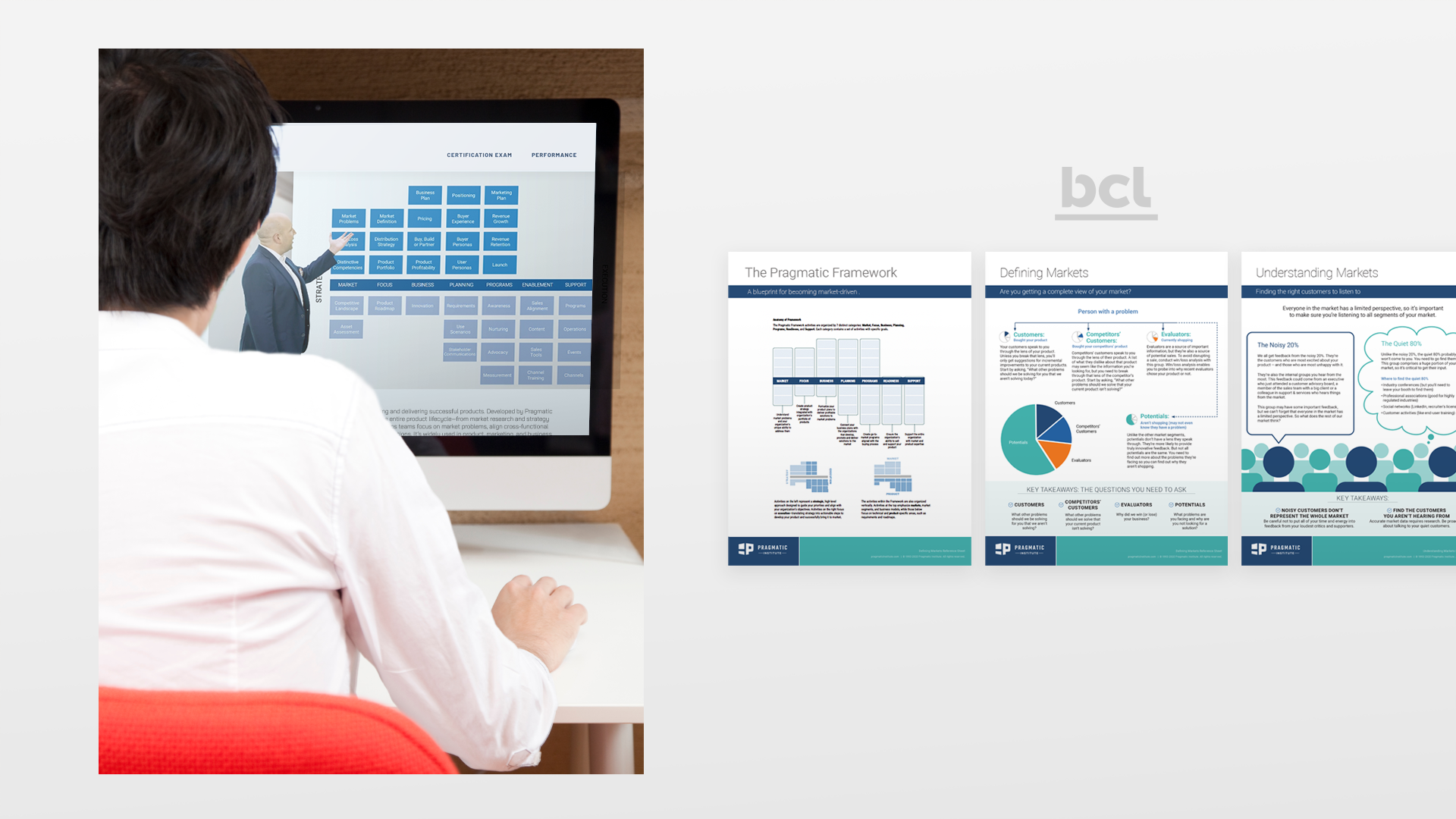
The Outcomes
The launch of Pragmatic Institute’s first on-demand course marked a defining moment in our digital learning evolution. By combining rigorous instructional design, intentional visual direction, and a purpose-built learning platform, we created an experience that not only met our standards, but opened entirely new possibilities for how we serve learners. The results speak for themselves.
Customer Adoption
Learners embraced the on-demand format with enthusiasm, reflected in consistently strong Net Promoter Scores (NPS) ranging from 50 to 70. In the world of NPS, anything above 0 is considered good, above 30 is great, and scores above 50 are exceptional—signaling that the large majority of learners felt strongly enough to recommend the course to others. Course review here.
Revenue Success
The course quickly proved its commercial value. From the moment it launched, orders began coming in continuously, day and night, as learners across time zones enrolled on their own schedules. This around-the-clock demand expanded our global reach and created a steady, predictable revenue stream. Because it operates beyond the limits of instructor availability, the on-demand course not only complemented our live training business, but also unlocked entirely new market opportunities.
A Blueprint for the Future
Most importantly, this effort laid the foundation for a scalable model of digital course development at Pragmatic Institute. The processes, design systems, technologies, and instructional frameworks created for this project now form the blueprint for future on-demand offerings. With the success of this inaugural course, we have a proven path forward—one that blends Pragmatic’s trusted expertise with a flexible, modern learning experience that can grow with our learners and our business